
Introduction
Korean Toy Poodles are an irresistible breed known for their intelligence, affectionate nature, and adorable tiny size. If you are considering adopting one, proper training and care are essential to ensure a happy and healthy life for your furry companion. This guide will walk you through everything you need to know about training and caring for these delightful dogs, focusing on their unique needs in the USA and Canada.
Understanding Korean Toy Poodles
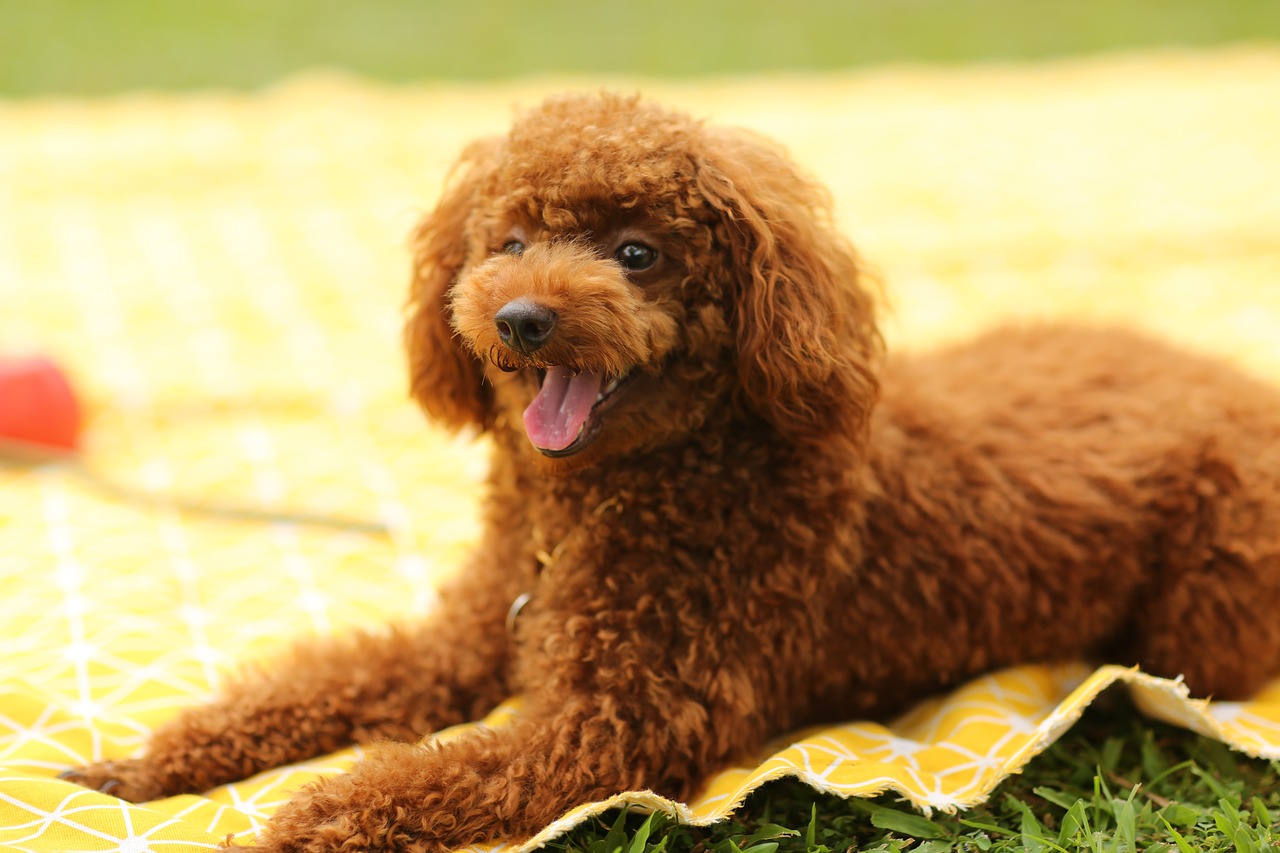
Korean Toy Poodles are a miniature version of the traditional Poodle, selectively bred for their compact size and charming features. They typically weigh between 3 to 6 pounds and have a curly, hypoallergenic coat that requires regular grooming. Despite their small stature, they possess high intelligence and boundless energy, making them excellent companions for individuals and families alike.
Essential Training Tips
1. Start Early and Be Consistent
Training should begin as soon as you bring your Korean Toy Poodle home. Establish a routine for potty training, socialization, and obedience commands. Consistency is key—stick to a schedule and use the same cues for commands.
2. Use Positive Reinforcement
These puppies respond exceptionally well to positive reinforcement techniques such as treats, praise, and play. Avoid harsh discipline, as it can lead to fear and anxiety, which may result in behavioral problems.
3. Socialization Matters
Expose your Korean Toy Poodle to different environments, people, and other pets early on. Proper socialization helps prevent anxiety and aggression while encouraging a well-mannered and friendly temperament.
4. Crate Training for Comfort
Crate training provides a safe and secure space for your puppy, aiding in potty training and reducing destructive behavior. Choose a crate that is appropriately sized to ensure comfort without excess space for accidents.
Caring for Your Korean Toy Poodle
1. Nutrition and Diet
A well-balanced diet is crucial for maintaining the health of your tiny pup. Look for high-quality dog food with essential nutrients, including protein, healthy fats, and vitamins. Avoid artificial additives and opt for small-breed formulas to meet their dietary needs.
2. Regular Exercise
Despite their size, Korean Toy Poodles have high energy levels and require daily exercise. Short walks, interactive play sessions, and mental stimulation activities such as puzzle toys keep them engaged and prevent boredom.
3. Grooming and Hygiene
These poodles have a dense, curly coat that requires frequent brushing to prevent matting. Regular grooming, including baths, ear cleaning, and nail trimming, is essential to maintain their overall health and hygiene.
4. Veterinary Care
Routine veterinary check-ups, vaccinations, and preventive care are necessary to keep your Korean Toy Poodle healthy. Small breeds are prone to dental issues, so regular dental care is also recommended.
Common Health Concerns
Korean Toy Poodles, like all small breeds, may be prone to certain health conditions. Common issues include:
- Hypoglycemia: Due to their small size, they can experience low blood sugar levels. Providing frequent small meals can help prevent this condition.
- Patellar Luxation: A common orthopedic issue in small dogs where the kneecap dislocates, potentially requiring medical attention.
- Dental Problems: Tiny breeds are more susceptible to tartar buildup and gum disease, making dental hygiene crucial.
Finding a Reputable Breeder
If you are looking to adopt a Korean Toy Poodle in the USA or Canada, it’s essential to choose a reputable breeder. Look for breeders who prioritize the health and well-being of their puppies, conduct genetic testing, and provide proper socialization before adoption. Avoid puppy mills and opt for ethical breeders who adhere to responsible breeding practices.
Conclusion
Korean Toy Poodles are wonderful companions that bring immense joy to their owners. By providing proper training, a nutritious diet, regular grooming, and veterinary care, you can ensure your puppy thrives in a loving environment. Whether you live in the USA or Canada, following these essential care tips will help you raise a happy and Healthy Tiny Puppy for years to come.